Your Essential Guide to Picking the Ideal Natural Lip Balm for Your Skin Type
Choosing the right natural lip balm can make a significant difference in how your lips appear and feel. It's crucial to identify your unique lip type and what ingredients perform best for you. Whether you deal with dryness or have oily lips, the right balm can elevate your lip care routine. Let's explore how to locate the perfect product tailored to your needs. Your lips merit the best, and the right choices can bring about noticeable results.
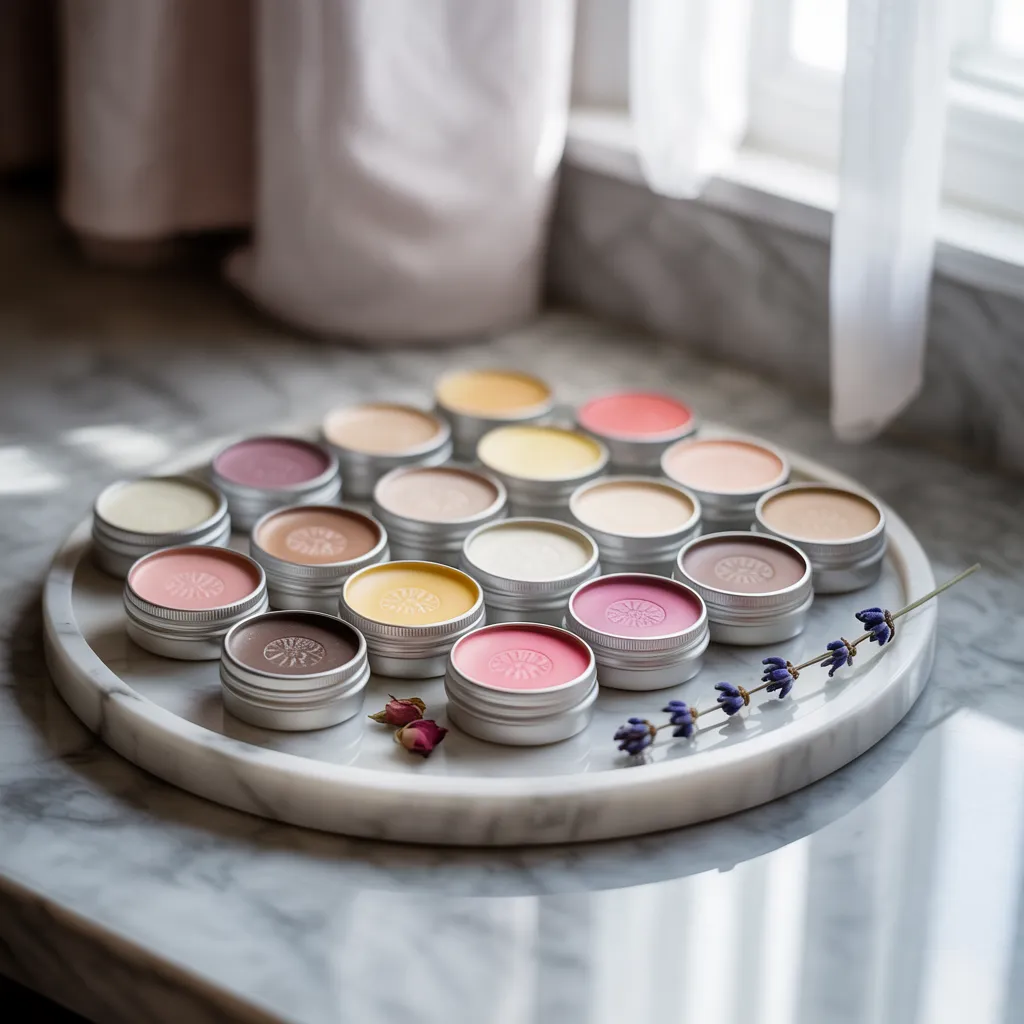
Determining Your Lip Type: What Skin Do You Have?
Do you ever wonder what type of lips you have? Knowing your lip type is important for choosing the right lip balm. Start by observing your lips' characteristics. Are they smooth and soft, or do they feel parched and rough? If your lips are frequently chapped, you might have delicate skin that requires extra moisturization. On the other hand, if your lips are full and moisturized, you likely have normal skin. Pay attention to how your lips behave to different weather conditions too. If they're prone to dryness in the cold, you've probably got dry skin. Identifying your lip type allows you choose a balm that satisfies your specific needs, making sure your lips stay healthy and hydrated.
The Benefits of Natural Ingredients for Your Lips
Natural ingredients in lip balms can transform your lips by providing essential hydration and nourishment. Ingredients like shea butter and coconut oil lock in moisture, while herbal extracts deliver restorative qualities that ease discomfort. Choosing a lip balm with these natural components helps keep your lips soft, healthy, and protected.
Nourishing Ingredients for Hydration
Three key ingredients can transform your lip care routine: shea butter, coconut oil, and beeswax. These organic ingredients thoroughly nurture and replenish your lips. Shea butter is packed with vitamins A and E, delivering essential moisture while fostering softness. Its smooth consistency absorbs quickly, leaving your lips feeling soft. Coconut oil, with its protective characteristics, not only moisturizes but also creates a protective barrier against dryness. It's lightweight and absorbs into the skin easily, ensuring long-lasting hydration. Beeswax locks in moisture, stopping dehydration and keeping your lips full. Together, these ingredients work synergistically to elevate your lip care, making dry, chapped lips a thing of the past. Choose a lip balm with these beneficial elements for exceptional softness and hydration.
Medicinal Attributes of Botanical Plants
Botanicals provide a treasure trove of healing properties that can significantly enhance your lips. Plant-based components like calendula and chamomile calm irritation and support healing, making them superb for chapped or cracked lips. Aloe vera represents another potent solution, providing moisture and reducing inflammation, while shea butter nurtures and protects your skin barrier. Essential oils, such as peppermint or tea tree, not only add a invigorating sensation but also contain antimicrobial properties that help keep your lips healthy. Additionally, botanical extracts like green tea are loaded with antioxidants, shielding your lips from environmental damage. By picking a lip balm infused with these natural ingredients, you're giving your lips the care they deserve for a healthy, soft smile.
Premier Selections for Dry Lips: Top Natural Balms
If you're struggling with dry lips, picking the right natural balm can make all the difference. You should look for key ingredients that hydrate and protect, and I'll share some top recommended brands that deliver results. Plus, I've got some application tips to enable you to maximize the effectiveness of your chosen balm.
Important Ingredients to Keep in Mind
Picking the right natural lip balm means knowing which key ingredients can really make a difference for dry lips. Seek out nourishing oils like jojoba, coconut, or almond oil, as they intensely moisturize and seal in moisture. Beeswax is another great choice, creating a protective barrier while allowing your lips to breathe. Shea butter and cocoa butter are powerful emollients that condition and soothe chapped lips. Furthermore, consider balms with natural extracts like calendula or chamomile, which offer anti-inflammatory benefits. Steer clear of synthetic fragrances and additives, as they can irritate sensitive skin. By prioritizing these key ingredients, you'll discover a natural lip balm that efficiently heals and protects your dry lips, keeping them soft and supple.
Best Brand Selections
Finding the perfect natural lip balm can appear challenging with so many options available. Fortunately, we've selected some top picks that cater specifically to dry lips. Initially, try Burt's Bees Beeswax Lip Balm; it's packed with nourishing ingredients like coconut oil and vitamin E. Next, consider Badger Balm's Organic Lip Balm; its shea butter and olive oil deliver thorough hydration. If you desire a tinted option, consider 100% Pure's Fruit Pigmented Lip Balm, which merges color with moisture. Finally, consider Eco Lips' Hemp Lip Balm for a rich blend of hemp seed oil and beeswax. Each of these brands features natural formulations that will keep your lips smooth and nourished.
Best Practices for Application
To make sure your natural lip balm works effectively, start with clean, dry lips. Softly exfoliate your lips beforehand to remove any dead skin, helping the balm to penetrate better. When applying, use a fingertip or a lip brush for even distribution. Start from the center before smoothing outwards to ensure full coverage. Don't forget to apply it before bedtime; this helps the balm to nourish your lips overnight. For ideal results, reapply throughout the day, especially after eating or drinking. If you're venturing outdoors, consider a balm with SPF to guard against sun damage. By following these application tips, you'll maximize the benefits of your natural lip balm and keep your lips hydrated and soft.
How to Choose the Ideal Natural Lip Balm for Sensitive Skin
How can you guarantee your sensitive skin stays happy and hydrated? Choosing the right natural lip balm is crucial. Look for products with mild, soothing ingredients like shea butter, coconut oil, or calendula. These natural emollients hydrate and protect without triggering irritation. Stay away from balms with artificial fragrances, flavors, or harsh chemicals, as these can provoke reactions. Select organic options, making sure they're free from parabens and sulfates. Always check for allergy-friendly labels, especially if you have known sensitivities. To test a new balm, apply a small amount to your wrist first. If it feels comfortable, use it on your lips. Remember, keeping your lips moisturized is essential for preventing dryness and discomfort.
Top Organic Lip Balms for Oily and Combination Lips
If you have oily-combination lips, selecting the right natural lip balm can make a significant difference in preserving balance without adding excess shine. Seek out balms that contain lightweight oils, including jojoba or grapeseed, which won't clog your pores. Explore options infused with shea butter for moisture without heaviness. take action Brands like Hurraw! and Eco Lips offer formulations that keep your lips hydrated while staying matte. You might also want to try lip balms with a hint of peppermint or citrus, as they provide a invigorating sensation without greasiness. Always check for non-comedogenic ingredients to make sure your balm won't contribute to oiliness. Discovering the perfect match will keep your lips smooth, soft, and ideally balanced.
SPF and Additives: Understanding Their Significance
Why is it important to consider SPF and additives in your lip balm? The sun can be harsh on your lips, just as much as it is on your skin. Opting for a lip balm with SPF guards against UV rays, stopping sunburn and long-term damage. This is particularly important if you are frequently outdoors or live in sunny regions.
Additives play an important part as well. Elements like Vitamin E and aloe vera may comfort and restore, while natural oils moisturize and feed. That said, remain wary of dangerous additives like synthetic scents or parabens, which can irritate sensitive skin.
Advice to Maintain Your Lips Nourished 365 Days a Year
Shielding your lips from harmful UV rays with SPF is just one part of preserving their health. To keep your lips moisturized, drink plenty of water throughout the day. Consuming a well-rounded diet full of vitamins A, C, and E also aids in nurturing your lips from the inside out. Refrain from licking your lips, as saliva can make them dry. Instead, apply a moisturizing balm regularly, especially before heading outdoors. When temperatures drop, consider wearing a scarf to protect your lips from frigid winds. Finally, exfoliate your lips once a week with a gentle scrub to get rid of dead skin cells. By adhering to these suggestions, you can guarantee your lips remain smooth, velvety, and healthy throughout the year.
Most Asked Questions
What's the Recommended Frequency for Lip Balm Application?
You ought to apply lip balm a minimum of three to four times each day, especially after consuming food or drinks. This keeps your lips moisturized and safeguarded, ensuring they remain soft and healthy during the day.
Can I Apply Regular Body Lotion to My Lips?
Using regular body lotion on your lips is not recommended. It could have ingredients that may irritate or cause dryness to your sensitive lip skin. Opt instead for a lip balm made specifically to hydrate and protect.
Can Children Use Natural Lip Balms?
Indeed, natural lip balms are ideal for children. They often contain safer ingredients, minimizing the risk of irritation. Just make sure you check the label for any allergens, and supervise their usage to avoid ingestion.
How Do I Determine if My Lip Balm Is Past Its Expiration?
You can identify your lip balm's expired if it develops a strange odor, shifts in appearance, or feels grainy. Check the expiration date too; if it's past that date, it's recommended to toss it out.
What Should I Do if Lip Balm Isn't Helping My Chapped Lips?
When your lips remain chapped despite using balm, consider gently exfoliating, staying better hydrated, and applying a thicker layer of balm. Consider switching to a more hydrating formula that suits your needs better.